


We’re upgrading our hospital and working to keep disruption to a minimum. Learn more.
Heard a Pop in Your Knee?
What It Could Mean (and What to Do Next)
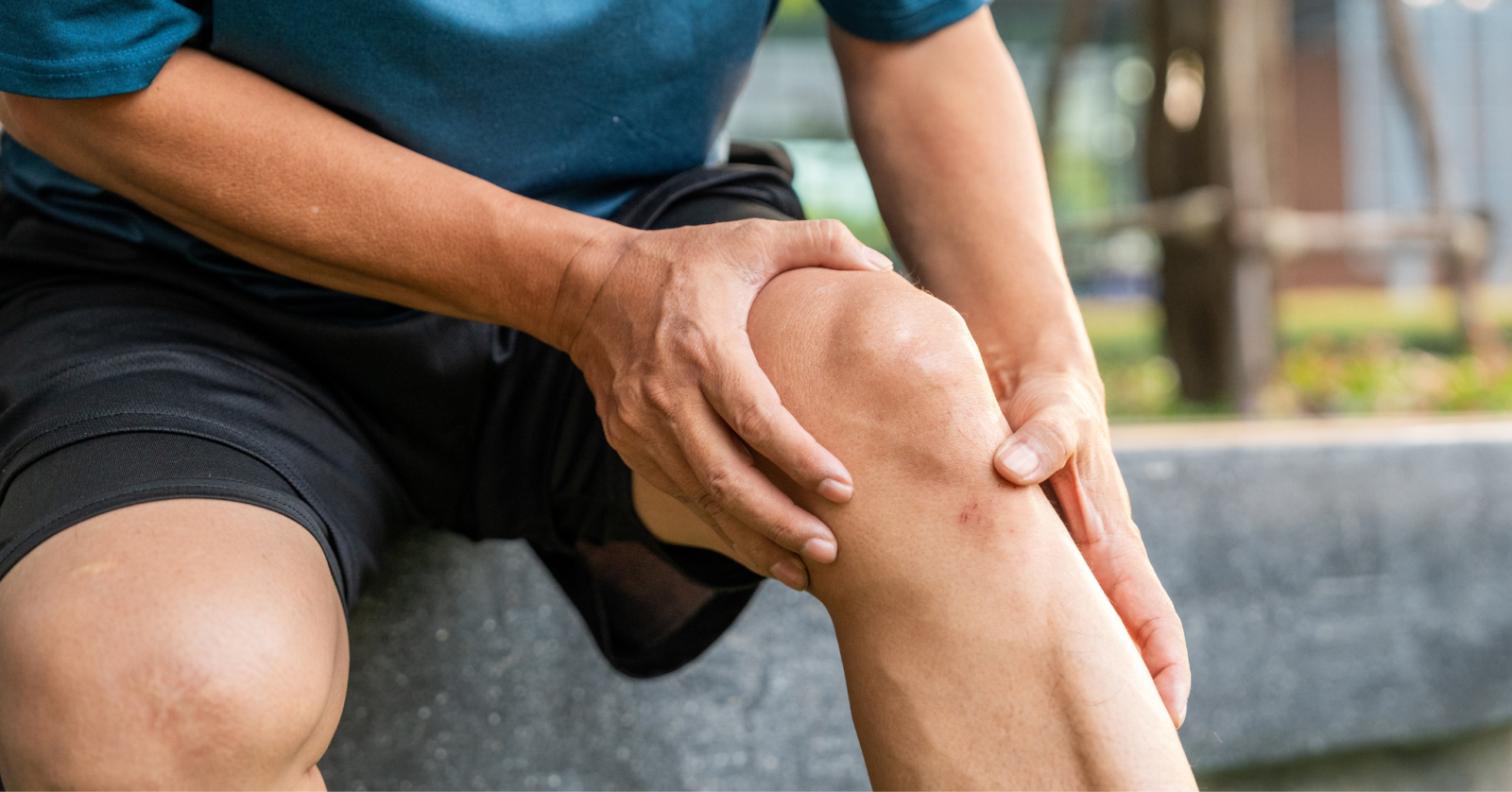
If you have ever twisted awkwardly while exercising, landed badly during sport, or suddenly felt your knee give way, you may have heard or felt a pop in the joint — which can be very alarming.
You may wonder whether it is something minor that will settle on its own, or a more serious injury that needs treatment. The good news is that many sports knee injuries respond very well when assessed promptly.
If you’re worried about a recent knee injury, book today and see an experienced orthopaedic consultant at One Stop Healthcare.
Consultant Advice on Sports Knee Injuries
At One Stop Healthcare, our team of expert consultant Orthopaedic Surgeons can help you get a prompt diagnosis, clear advice and a tailored treatment plan so you can return to daily life and activity with confidence.
In this video, Mr. Ravi Popat, Consultant Orthopaedic Surgeon, explains the most common sports knee injuries, symptoms to look out for, and the treatment options available here at our Hemel Hempstead hospital.
What Does a Pop in the Knee Actually Mean?
A popping sensation or sound does not always mean a severe injury, but it can be a sign that structures within the knee have been damaged.
“When you suffer an injury to your knee, you’re going to have an episode where your knee feels unstable. That can also be associated with a pop.”
– Mr. Ravi Popat
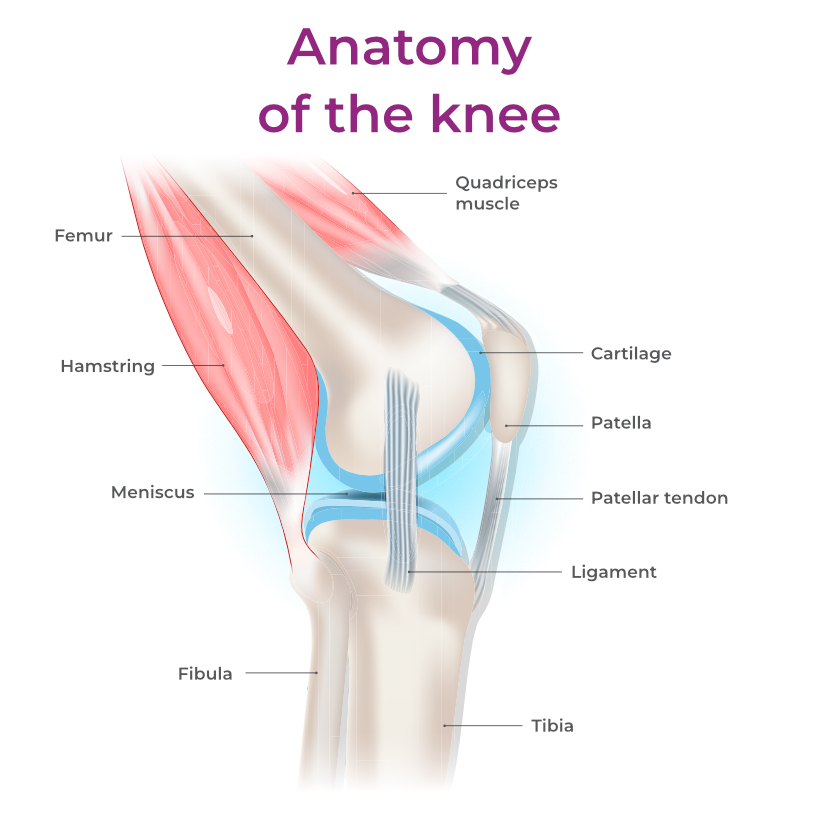
The knee is made up of several important soft tissue structures, and injuries commonly involve:
Ligament Injuries
Ligaments stabilise the knee joint. There are four main knee ligaments – ACL, PCL, MCL and LCL – and one of the most common sporting injuries is to the anterior cruciate ligament (ACL).
This often happens during:
• Sudden changes of direction
• Twisting movements
• Landing awkwardly
• Contact sports
Symptoms may include:
• A pop at the time of injury
• Immediate pain
• Swelling
• Instability or the knee “giving way”
Meniscus (Cartilage) Injuries
The meniscus is a shock-absorbing cartilage pad inside the knee. Tears can occur with twisting injuries or degeneration over time.
Symptoms may include:
• Pain when turning or squatting
• Locking or catching
• Swelling
• Reduced movement
Tendon and Other Soft Tissue Injuries
Strains and tendon injuries can also cause pain around the knee, especially after overuse or sudden exertion.
Are There Other Symptoms to Watch for After a Knee Injury?
• Swelling – it can appear immediately or develops later
• Pain when walking or moving the knee
• Reduced range of movement
• Clicking, catching or locking sensations
• The knee feeling unstable or likely to give way
• Difficulty putting weight through the leg
These symptoms should not be ignored, particularly if they are affecting your normal movement, worsening over time, or preventing you from returning to everyday activities.
What Should You Do Immediately After a Knee Injury?
Mr Popat’s advice is simple:
“The sensible thing to do at that stage is to come off the field and seek some help.”
Early treatment can often reduce recovery time and prevent further damage.
Do:
• Stop the activity
• Rest the knee
• Apply ice
• Elevate the leg
• Seek professional advice as soon as possible
Don’t:
• Play through the pain
• Return to sport too soon
• Ignore instability or swelling
How are Sports Knee Injuries Diagnosed?
The right treatment starts with the right diagnosis.
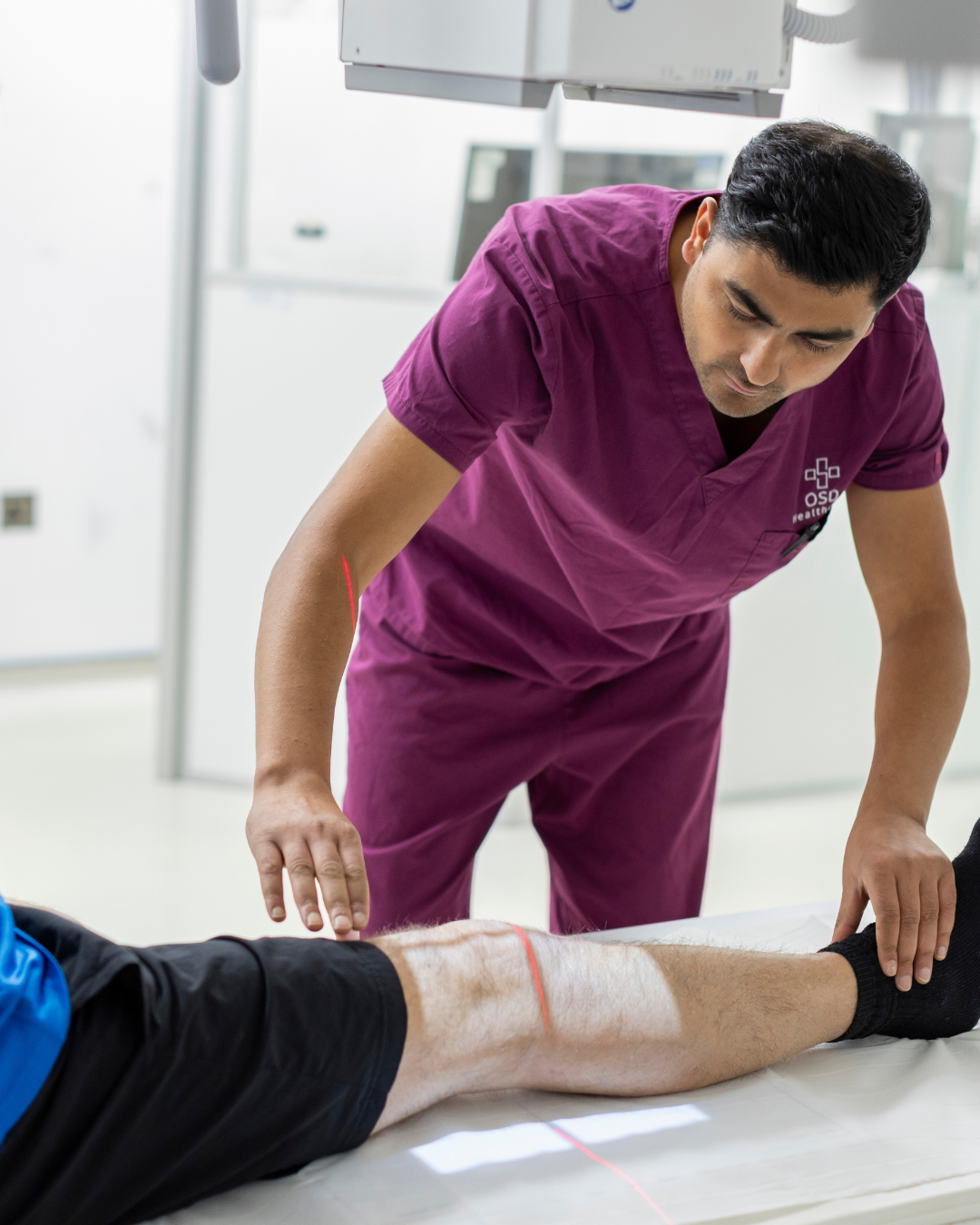
At One Stop Healthcare, your consultant will conduct a detailed clinical examination which will include an assessment of your knee including the movement and stability. If diagnostic scans are required, like an X-ray or MRI, these can be carried out promptly, often on the same day and all at our hospital in Hemel Hempstead. Fast access to diagnostics means you can avoid unnecessary delays and understand exactly what is causing your symptoms sooner.
Once the consultant has all the information, they will create a personalised treatment plan tailored to your needs.
What are the Treatment Options for Knee Injuries?
Every injury is different, which is why treatment should always be tailored to the individual.
Depending on your diagnosis, treatment may include:
Physiotherapy
Structured physioptherapy rehabilitation can help restore:
• Strength
• Stability
• Movement
• Confidence returning to activity
Injection-Based Therapy
For selected conditions, injections may help reduce pain or inflammation and support rehabilitation.
Surgery
Where injuries involve significant ligament damage or meniscal tears, surgery may be the best option.
How Long Does Recovery Take?
Recovery times depend on the type of injury and treatment required.
Meniscus
If the meniscus can be repaired, the expected recovery time is between 4 to 6 months.
If repair is not possible and the meniscus is trimmed or partially removed, then recovery is about 2 to 3 months.
Ligament Reconstruction
ACL and LCL surgery usually involves a structured rehabilitation programme afterwards.
“Looking for a full recovery to happen between 9 and 12 months.”
Your consultant will discuss realistic timelines based on your lifestyle, goals and injury severity.
Get Expert Help for Your Knee Injury
If you have suffered a sports knee injury, or simply are not sure what is wrong with your knee, our experienced team is here to help.
At One Stop Healthcare, we can get you seen, investigated and cared for quickly, with a treatment plan built around you.
If you pay for your own healthcare, you can book directly without a GP referral — an initial face-to-face consultation with Ravi Popat costs £275. If you have private medical insurance, please check with your provider, as they may require a GP referral first.
Book your consultation today and be on the right path to safe, stable, pain-free knees.
Book a Consultation
Alternatively, if you have a question, contact our knowledgeable Enquiries Team who will be happy to help.
Contact Us
FAQs
Sometimes, yes. Some people can still walk after an ACL or other ligament injury, but the knee may feel unstable. Walking does not rule out a serious injury.
No. A pop can happen with several injuries, including meniscus tears or minor soft tissue damage. Proper assessment is the best way to know for certain.
Yes—especially if pain, instability or restricted movement remain. Symptoms improving slightly does not always mean the injury has healed.
No. Some can be managed with physiotherapy or monitoring. Others benefit from repair or surgical treatment depending on the tear type and symptoms.
At One Stop Healthcare, you can usually see an expert orthopaedic consultant within a few weeks.
Medically reviewed by Mr Ravi Popat - Consultant Orthopaedic Surgeon on 01.05.2026