


We’re upgrading our hospital and working to keep disruption to a minimum. Learn more.
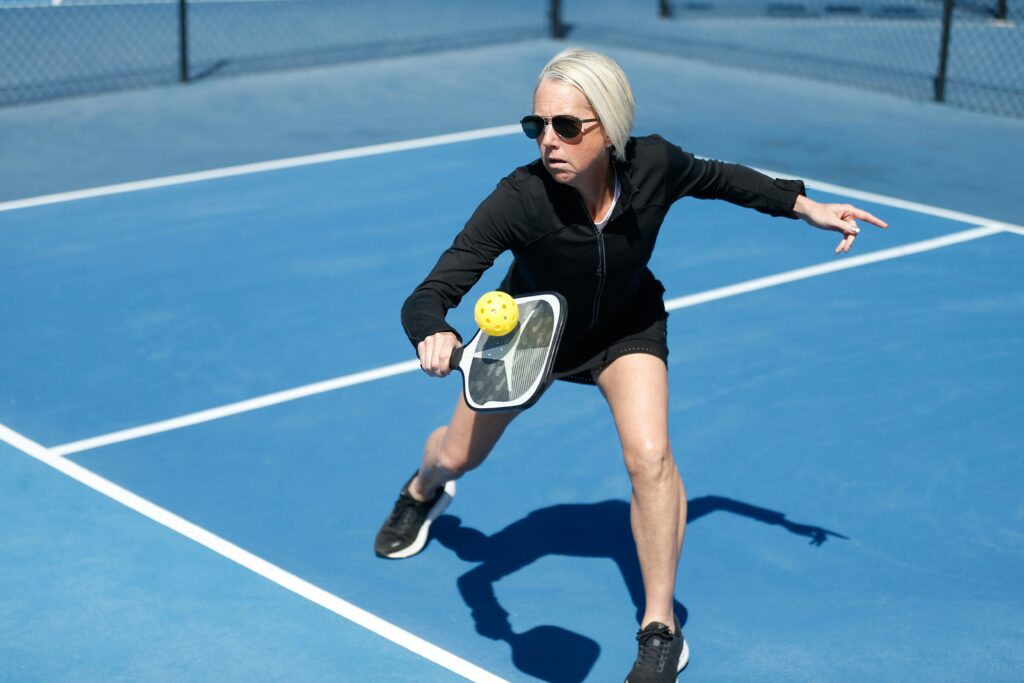
Tennis Elbow Treatment
Also known as: lateral epicondylitis, lateral elbow tendinopathy, extensor tendinopathy, tennis elbow syndrome, elbow tendinopathy
Tennis elbow treatment including diagnosis, physiotherapy, pain relief and specialist rehabilitation to reduce pain and restore function.
What is tennis elbow?
Tennis elbow occurs when the tendons and muscles in your forearm become irritated or damaged due to repeated strain and overuse. It is most commonly linked to activities that involve frequent wrist extension, gripping, or repetitive arm movements. Over time, this repeated stress can cause tiny tears in the tendon that attaches to the lateral epicondyle, leading to pain and tenderness on the outer part of the elbow.
The lateral epicondyle is the bony bump on the outside of the elbow where the forearm extensor muscles attach. Tennis elbow, also known as lateral epicondylitis, is a common cause of persistent elbow pain and often affects the dominant arm, which is used more frequently.
Risk factors include racquet sports, manual work, and activities that require repetitive wrist or elbow movements, such as using tools or lifting objects. Visible swelling is not typical in tennis elbow; if swelling is present, it may suggest another condition, such as bursitis or arthritis, rather than tendon overuse alone.
Causes and risk factors
Tennis elbow develops mainly due to repetitive strain and overuse of the forearm extensor muscles, particularly during wrist extension and prolonged gripping. While racquet sports such as tennis can increase the risk, you do not need to play tennis to develop this condition.
Many everyday and occupational activities place repeated stress on the tendons around the elbow. Manual jobs such as carpentry, plumbing, catering, and painting are common contributors, as are hobbies that involve lifting, twisting, or sustained gripping.
Risk increases with age, particularly between 35 and 54 years, as tendons naturally lose elasticity over time and become more susceptible to micro-injury and degeneration.
Symptoms & diagnosis
The most common symptom of tennis elbow is pain and tenderness on the outer side of the elbow. This pain may range from mild to severe and often worsens with gripping, lifting, or wrist movements. Some people also notice reduced grip strength or stiffness in the elbow and forearm.
Diagnosis is usually made through a physical examination. Your doctor may ask you to move your wrist, fingers, or elbow in specific ways to reproduce the pain and assess strength and function. Imaging tests such as X-rays or MRI scans are not routinely required but may be used if symptoms are unusual or another condition is suspected.
Prevention
While tennis elbow cannot always be prevented, certain steps can reduce the risk. Limiting excessive strain on the forearm muscles is key. This includes taking regular breaks from repetitive tasks, using proper technique during sports or work activities, and choosing lighter tools where possible.
Stretching and strengthening the forearm muscles can help support the tendons and reduce overload. If early symptoms such as mild elbow discomfort appear, resting the arm and modifying activities can prevent symptoms from worsening. Paying attention to how often and how intensely the forearm muscles are used can help protect long-term elbow health.
Please call to enquire about the price
Ways to payBefore treatment
Before starting treatment, it’s important to confirm the diagnosis through a physical examination and a detailed medical history. During assessment, your orthopaedic consultant will ask about your symptoms, daily activities, and any movements that trigger pain.
You may be asked to perform specific wrist, finger, and elbow movements to assess tenderness, strength, and range of motion around the lateral elbow. In some cases, imaging such as X-rays or MRI scans may be used to rule out other causes of elbow pain, including arthritis or ligament injury.
Initial management usually involves avoiding activities that worsen symptoms, such as repetitive gripping or wrist extension. Applying ice packs to the affected area may help reduce pain, and over-the-counter anti-inflammatory medication can provide symptom relief. A forearm strap or brace may also reduce strain on the tendon. Early assessment helps ensure appropriate treatment and prevents symptoms from becoming long-standing.
These early measures form the foundation of tennis elbow treatment and are often continued alongside physiotherapy.
During treatment
Treatment for tennis elbow typically focuses on reducing pain, promoting tendon healing, and restoring function. Rest and activity modification are often combined with physiotherapy, which includes stretching and strengthening exercises for the forearm muscles.
In more persistent cases, treatments such as shockwave therapy may be used to stimulate healing. Corticosteroid injections can provide short-term pain relief but are not usually recommended as a long-term solution. Platelet-rich plasma (PRP) injections may be considered in selected cases, although responses vary.
During recovery, patients are encouraged to avoid activities that aggravate pain and gradually return to normal use of the arm as pain allows. Using lighter tools and improving technique can help prevent recurrence.
After treatment
Recovery from tennis elbow can take weeks to months, depending on severity and adherence to rehabilitation. Continuing strengthening and stretching exercises helps maintain forearm function and reduce the risk of recurrence.
Return to sports or physically demanding activities should be gradual and supported by good technique and warm-up routines. If symptoms persist despite conservative treatment, surgery may be considered as a last resort to remove damaged tissue and relieve pain.
If symptoms such as numbness, tingling, or pain radiating down the arm develop, further assessment is recommended, as this may indicate nerve involvement rather than tennis elbow.
Appointment and Treatment Plan
Assessment & Diagnosis
Your orthopaedic specialist will examine your elbow, review symptoms and activity history, and may arrange imaging (if needed) to rule out other causes of pain.
Early Symptom Management
You may be advised to rest the arm, modify activities, use ice or anti-inflammatory medication, and wear a forearm brace to reduce tendon strain.
Rehabilitation & Treatment
Physiotherapy exercises strengthen the forearm and promote tendon healing. In persistent cases, shockwave therapy or PRP may be considered in selected cases.
Recovery & Return to Activity
Activity is gradually increased as pain improves. Technique and load modification help prevent recurrence. Surgery is considered only if symptoms fail to improve.
Experts
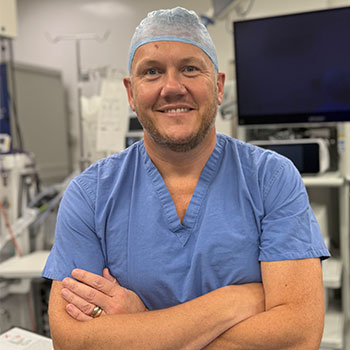
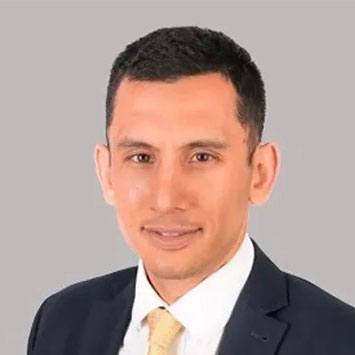
We are proud to provide patients with access to a wide range of clinicians, chosen specifically for their knowledge and reputation in their area of expertise. Our experts align with our values: putting you at the centre of your care and educating you on your options at each step of the journey. We encourage you to learn more about our clinicians and how they can help you below. As always, please contact our patient services team if you require any additional information.



We offer 3 ways to pay for your treatment
We exist to take the stress out of private healthcare.
Our payment options are designed to offer you easy access to our treatments and services. You can choose to pay on the day, spread the cost, or use your private medical insurance.
Our patient services team will guide you through the process, providing clear costs and support throughout your course of treatment so you can focus on the thing that matters most – your health.
Whether you pay in advance, spread the cost, or use your private medical insurance, rest assured you will be receiving exceptional care 365 days a year.
Pay in Advance
Even if you do not have medical insurance, you can still get quick and comprehensive access to private medical care.
We provide transparent pricing from your initial consultation to the completion of your treatment so you know where you stand, every step of the way.
We accept all major debit and credit cards, as well as Apple Pay for UK residents. Please note that we do not accept cash or cheques.
Spread the cost monthly
Paying for your treatment at One Stop Healthcare can be spread monthly from 12 to 60 months, rather than paying in one go.
With an upfront 10% deposit paid, via our Financial partner Chrysalis Finance, we offer various flexible terms to enable you to spread the cost, including 12-months at 0% APR. Click here to find out more.
Monthly payments need to be linked to a One Stop Healthcare treatment over £385 and is subject to a 14-day ‘cooling-off’ period before any treatment can start.
Your on-going payments will be made directly between Chrysalis and yourself. It’s that simple.
Pay using PMI
We are recognised by all major health insurance companies and with our extensive range of services, there are lots of benefits to using your insurance with us. Our patient services team is here to answer any questions you may have about using your private health insurance with us.
Please bring along your policy details including your scheme details, membership or policy number, expiry date and confirmation of eligibility to claim (i.e. your authorisation number). If you do not have these details with you, we will require payment from you on the day. Patients are liable for any amounts not settled by their insurer.
FAQs
While there is no instant cure for tennis elbow, following a consistent treatment plan can significantly speed up recovery. Key steps include resting the affected arm to allow the tendon to heal, avoiding activities that cause pain or strain, and applying cold packs to reduce inflammation. Over-the-counter pain relievers such as anti-inflammatory tablets can help manage discomfort. Physical therapy plays a vital role, with specific exercises designed to stretch and strengthen forearm muscles, improve blood flow, and promote tendon repair. In some cases, treatments like extracorporeal shock wave therapy or platelet-rich plasma (PRP) injections may be recommended to accelerate healing. It is important to follow your healthcare provider’s advice and gradually return to normal activities to prevent re-injury.
Tennis elbow usually takes several weeks to months to heal fully. Most people experience significant improvement within 6 weeks when following appropriate rest and treatment protocols. However, in some cases, symptoms can persist for 6 to 12 months or longer, especially if the condition is severe or if aggravating activities are continued. Adhering to a rehabilitation program that includes physical therapy exercises can help expedite recovery and reduce the risk of recurrence. Patience and consistent care are essential, as the tendon needs time to repair the tiny tears caused by repetitive strain.
To avoid worsening your condition, it is important not to continue activities that cause pain or repeatedly strain the forearm muscles and tendons. Avoid lifting heavy objects, repetitive wrist extension, or gripping small objects tightly. Do not ignore early symptoms or delay seeking treatment, as this can prolong recovery. Avoid self-medicating with excessive painkillers without medical advice, and refrain from aggressive massage or exercises that increase pain. Also, do not resume sports or strenuous activities too quickly; gradual return with proper technique is key to preventing re-injury.
Squeezing a soft rubber ball can be helpful in the later stages of rehabilitation to build grip strength, but it should be avoided during the early painful phase, as gripping can place additional strain on the tendon. However, it should be done cautiously and under the guidance of a healthcare professional or physical therapist. Overdoing this exercise or using a ball that is too hard may exacerbate symptoms. It is best to start gently and gradually increase intensity as tolerated, ensuring that the exercise does not cause pain. This type of controlled strengthening can aid recovery and help prevent future episodes of tennis elbow.