


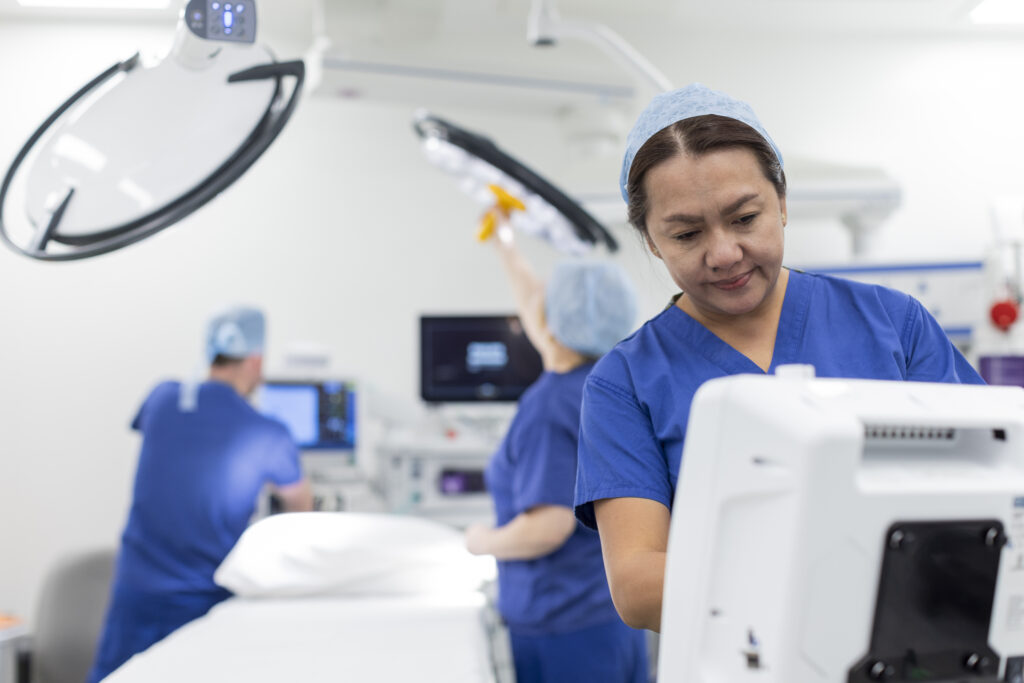
Cervical Cone Biopsy
Also known as: conisation of the cervix
Cone biopsy of the cervix is a surgical procedure to remove abnormal cervical tissue. This procedure can be both diagnostic and therapeutic, as it helps to identify precancerous or cancerous cells and remove abnormal tissue.
What is a cervical cone biopsy?
A cervical cone biopsy, also known as conisation, is a procedure to remove a cone-shaped section of abnormal tissue from the cervix. This is often necessary when abnormal cells are found during cervical screening. These abnormal cells, if left untreated, can develop into cervical cancer, making it essential to remove them for further evaluation and treatment.
The procedure is usually done under general anaesthesia so that you are asleep and comfortable throughout. However, local or regional anaesthesia may be used depending on the technique and patient-specific factors.
Please call to enquire about the price
Ways to payBefore the procedure
The initial consultation is the first step of the cervical cone biopsy journey. During this appointment, a consultant gynaecologist will review your medical history in detail, including any previous cervical screening results and any other relevant health conditions like high blood pressure or allergies. They will also discuss any symptoms you may be experiencing, such as abnormal vaginal discharge, cramping or pain.
Your doctor will also explain the procedure, its purpose and what to expect before, during and after the biopsy. This is an excellent opportunity to ask questions about the risks, benefits and impact on future pregnancies. If you use menstrual cups or other vaginal products, be sure to mention this, as you may need to stop using them for a period before and after the procedure.
In some cases, additional tests such as an ultrasound may be recommended to get more information about your cervical health.
Finally, you will be given instructions on how to prepare for the procedure, which may include not eating and drinking for several hours before if general anaesthesia is planned, and guidance on what to expect for recovery time and follow-up care. This preparation helps to make the procedure as safe and effective as possible.
During the procedure
During the procedure, the gynaecologist will insert a speculum into your vagina to visualise the cervix. You will be positioned with your feet in stirrups so the doctor can see the cervix better. Once the cervix is visible, the consultant will remove a cone-shaped piece of tissue from the cervix. This tissue will then be sent to a laboratory for further examination.
After the procedure
Post-procedure care
After a cone biopsy, it’s essential to follow specific post-procedure care instructions to ensure proper healing and to monitor for any complications.
To manage bleeding during the recovery period, use sanitary pads. Do not use tampons and do not take baths during this time to prevent infection and ensure proper healing. If you experience heavy bleeding or pass blood clots, contact your healthcare provider immediately.
It’s also important to schedule a follow-up appointment with your gynaecologist. This appointment will ensure you are healing correctly and allow your doctor to monitor for any complications. It’s also an opportunity to discuss your biopsy results and ongoing cervical health management. You will advised to avoid sexual intercourse for at least 4 weeks.
If you are planning a pregnancy in the future, it is important to know that a cone biopsy may slightly increase the risk of miscarriage and preterm labour, depending on how much tissue was removed. Your doctor will discuss this with you and provide guidance tailored to your individual situation.
Your results
After your cone biopsy, the removed tissue will be sent to a laboratory for further examination. The results will show if the tissue contains abnormal cells and, if so, what type of abnormal cells.
- Normal results – if the tissue is normal, no further treatment is usually needed.
- Abnormal results – if abnormal cells are found, the type and severity will determine what to do next.
- Precancerous cells – if the tissue contains precancerous cells, further treatment may be needed to remove these cells and prevent them from becoming cancerous.
- Cancerous cells – if cancerous cells are found, further treatment will be needed to treat the cancer.
Understanding your results is crucial, and discussing them with your gynaecologist will help you prepare for what to expect in terms of treatment and follow-up care.
Follow-up care
Regular Pap smears are essential to detect any cell changes in the cervix early. A colposcopy may be recommended to examine the cervix more closely. At the same time, HPV testing (testing for the human papillomavirus) can help identify if the virus, which can cause cell changes in the cervix, is present.
Attending all scheduled follow-up appointments and following your gynaecologist’s instructions for follow-up care is key in achieving the best possible treatment outcomes and preventing complications.
Appointment and Treatment Plan
Initial Consultation
Your gynaecologist reviews your history, symptoms, and previous screening results. The procedure is explained, risks are discussed, and prep instructions are given (like stopping vaginal products or fasting if under general anaesthesia).
Pre-procedure Preparation
You’ll be advised on when to stop eating/drinking and what to expect during recovery. Mention any allergies or health conditions beforehand.
Procedure
A cone-shaped section of cervical tissue is removed using a speculum for access. The sample is sent to the lab for testing. Done under local or general anaesthetic.
Immediate Post-procedure Care
Use sanitary pads (no tampons or baths). Mild bleeding is normal – contact your doctor if you experience heavy bleeding or clots. Rest and avoid strenuous activity.
Results
-
Normal: No further treatment usually needed.
-
Abnormal: Next steps depend on the type of cell changes.
-
Precancerous or cancerous: Further treatment will be discussed with your doctor.
Long-term Follow-up
Attend all follow-up appointments. Regular Pap smears, colposcopy, or HPV testing may be recommended to monitor your cervical health.
Experts
We are proud to provide patients with access to a wide range of clinicians, chosen specifically for their knowledge and reputation in their area of expertise. Our experts align with our values: putting you at the centre of your care and educating you on your options at each step of the journey. We encourage you to learn more about our clinicians and how they can help you below. As always, please contact our patient services team if you require any additional information.





We offer 3 ways to pay for your treatment
We exist to take the stress out of private healthcare.
Our payment options are designed to offer you easy access to our treatments and services. You can choose to pay on the day, spread the cost, or use your private medical insurance.
Our patient services team will guide you through the process, providing clear costs and support throughout your course of treatment so you can focus on the thing that matters most – your health.
Whether you pay in advance, spread the cost, or use your private medical insurance, rest assured you will be receiving exceptional care 365 days a year.
Pay in Advance
Even if you do not have medical insurance, you can still get quick and comprehensive access to private medical care.
We provide transparent pricing from your initial consultation to the completion of your treatment so you know where you stand, every step of the way.
We accept all major debit and credit cards, as well as Apple Pay for UK residents. Please note that we do not accept cash or cheques.
Spread the cost monthly
Paying for your treatment at One Stop Healthcare can be spread monthly from 12 to 60 months, rather than paying in one go.
With an upfront 10% deposit paid, via our Financial partner Chrysalis Finance, we offer various flexible terms to enable you to spread the cost, including 12-months at 0% APR. Click here to find out more.
Monthly payments need to be linked to a One Stop Healthcare treatment over £385 and is subject to a 14-day ‘cooling-off’ period before any treatment can start.
Your on-going payments will be made directly between Chrysalis and yourself. It’s that simple.
Pay using PMI
We are recognised by all major health insurance companies and with our extensive range of services, there are lots of benefits to using your insurance with us. Our patient services team is here to answer any questions you may have about using your private health insurance with us.
Please bring along your policy details including your scheme details, membership or policy number, expiry date and confirmation of eligibility to claim (i.e. your authorisation number). If you do not have these details with you, we will require payment from you on the day. Patients are liable for any amounts not settled by their insurer.
FAQs
After a cone biopsy, it’s essential to follow specific guidelines to ensure proper healing and to avoid complications. Your healthcare team will support and guide you through the recovery process and make sure you understand what you need to do.
Patients are advised to avoid sexual intercourse and vigorous exercise for a period after the procedure to allow the cervix to heal correctly.to
By following these guidelines and keeping in touch with your healthcare team, you can help ensure a smooth recovery.
A cervical cone biopsy is performed under general or local anaesthesia, so you will not feel pain during the procedure itself. However, after the procedure, you may feel some mild pain or cramping as the anaesthesia wears off. Your consultant gynaecologist may recommend pain medication to help with the discomfort during the recovery period. Follow their advice and report any severe pain or unusual symptoms.
The amount of cervix removed depends on the extent and location of the abnormal cells. Typically, only a small cone-shaped section is removed to preserve as much healthy cervical tissue as possible. This can help minimise the impact on future pregnancies and cervical function.
A cone biopsy of the cervix, also known as conisation, is a surgical procedure to remove abnormal cervical tissue. This procedure can be both diagnostic and therapeutic, as it helps to identify precancerous or cancerous cells and remove abnormal tissue. The biopsy is done when cervical screening shows abnormal cell changes, and it plays a crucial role in preventing cervical cancer.
Medically reviewed by Ms Pushpa Maharajan - Consultant Gynaecologist/Obstetrician on 08/09/2025