


We’re upgrading our hospital and working to keep disruption to a minimum. Learn more.
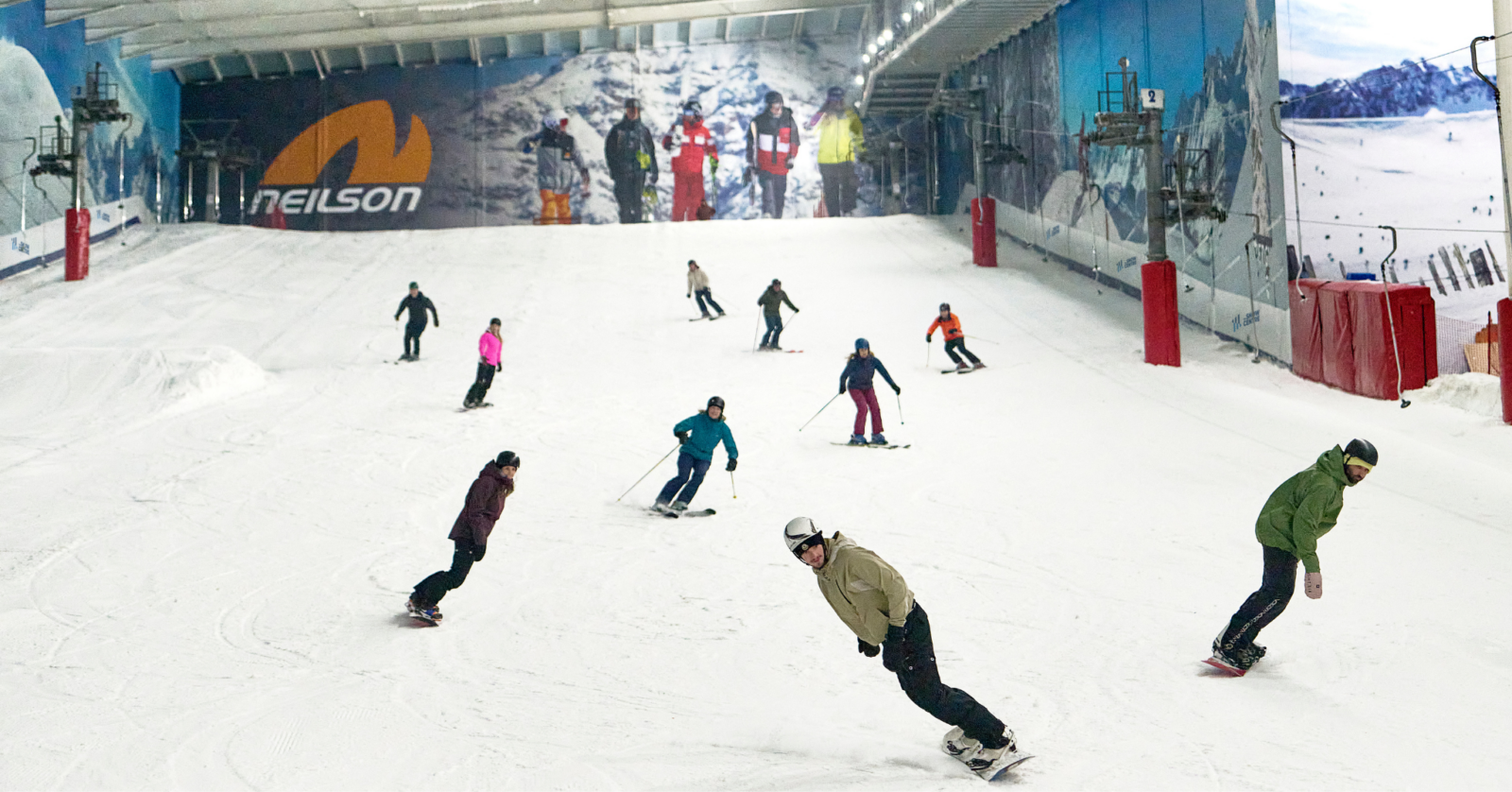
Staying Injury Free During Snow Season
Interview with Advanced MSK Physiotherapist Amanda Marsh
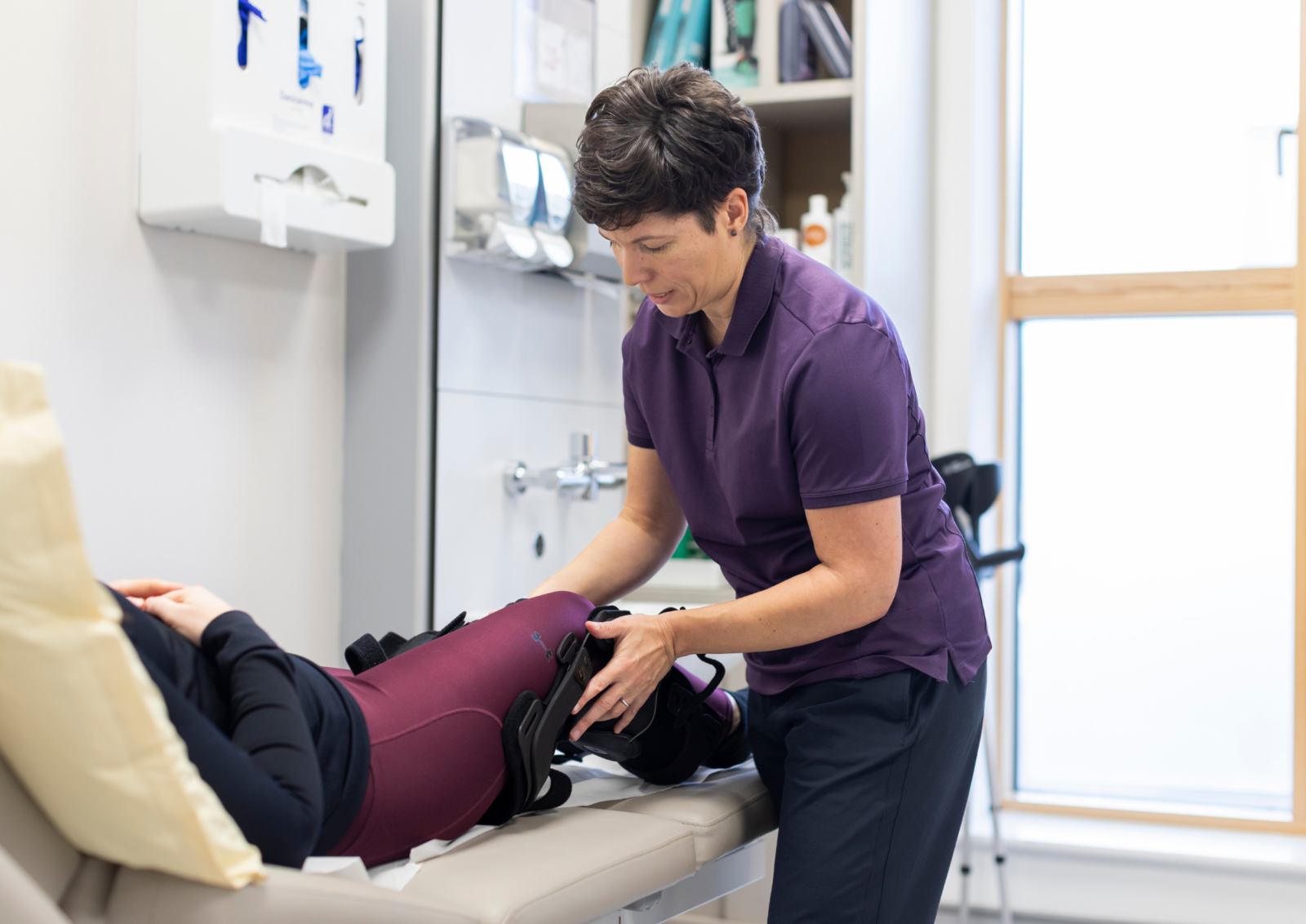
Hi Amanda. Thanks for taking the time today to share your knowledge. Can you tell us what the most common injuries you see in skiers and snowboarders?“Interestingly in my 23 years of private MSK practice, last year I saw a significantly higher than normal amount of calf muscle and Achilles tendon tears. When I explored this further it seemed to be related to the ski bindings not releasing and occurred when the individual was fatigued and experienced a fall. The majority of injuries are to the knees and lower limbs and include single and multiple ligament knee injuries. For snowboarders, particularly when they are learning or not wearing protective knee pads, we find ourselves helping them recover from anterior knee pain due to the landing or falling directly onto their knees. But there’s injuries caused by slips, trips and falls whilst people move around the mountain, meaning we see lots of hand and wrist injuries.” |
|
Why do you think so many injuries happen and how can preparation help?
“Skiing and snowboarding requires physical fitness and strength, plus balance and co-ordination.
The sport demands very different actions to what most people spend the rest of their year doing. Then in the excitement of the holiday and a keenness to keep up with other family members, or the group or to make the most of the ski pass, individuals often push themselves past their capabilities.
Doing the right exercises before the snow sports holiday can reduce the risk of injury by:
- Improving fitness
- Strengthening core and leg muscles
- Improving balance and control
- Boosting neuromuscular control (how your body moves and reacts)
- Help you to land safely and avoid technical errors”
It sounds like preparation is key. If someone hasn’t trained much over the last year, what’s the best way to start preparing for snow season?
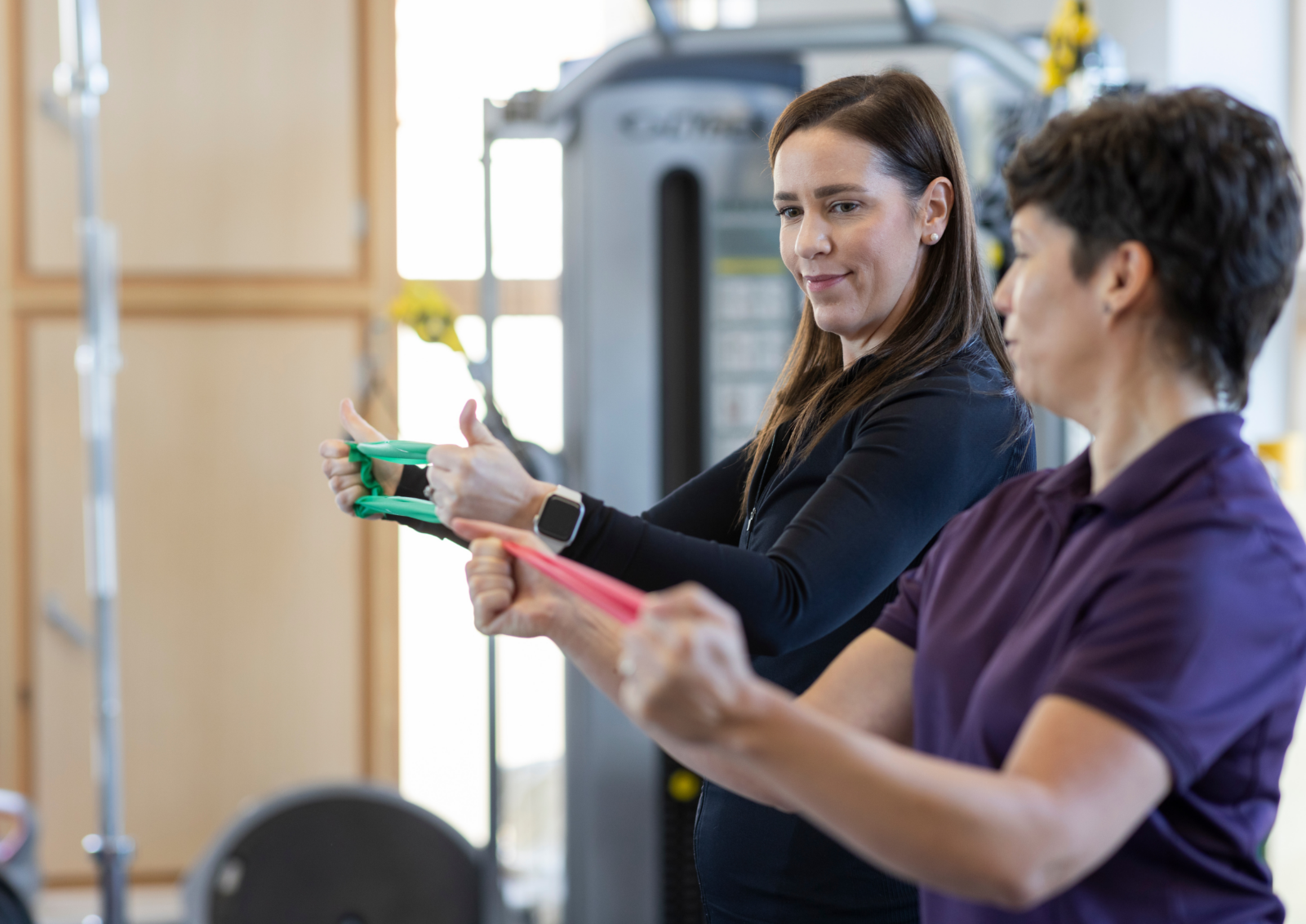
“Depending on your level of fitness you may need to start with lower repetitions and sets and load and then build it up. If you have any pre-existing injuries these will need to be taken into account and a physiotherapist can help tailor the programme to you.
Start early and split exercises into four types: strengthening, movement pattern retraining, balance and core. Factor in a 10 minute warm up and cool down and aim to perform the programme 2-3 times a week in addition to aerobic training.”
You just mentioned strength training – which muscles or areas of the body are most important to strengthen before skiing or snowboarding?
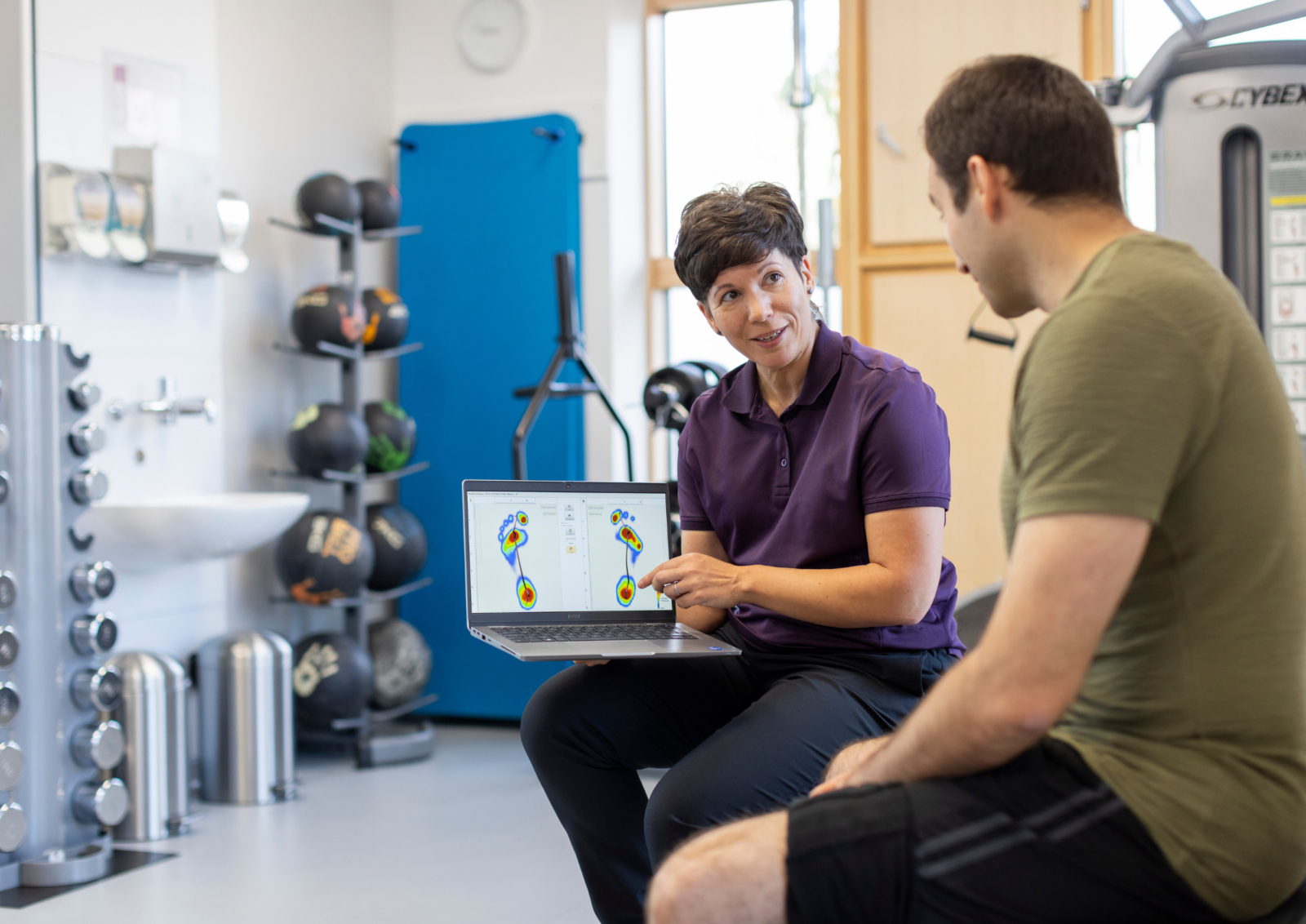
“Lower body and core muscles are the most important, but we will be working all our body areas when skiing and snowboarding. For example, when carrying your equipment, getting on and off lifts, pushing up from a fall or after sitting down on the slope that will all require upper body strength.”
|
And how important is balance and stability training?“Balance and stability training is key. Snow and ice, the angle of the slope, turning and all the unexpected things that happen while on the slopes will demand balance and stability, some of which will be predictable and you have time to prepare in advance, other times it will require an instantaneous, reflexive response, for example when someone suddenly cuts across in front of you or you encounter a hidden ice patch.” |
Are there any specific stretches or warm-ups you recommend before a day on the slopes?
“Allowing the body to warm up and cool down before and after a day on the slopes will help you enjoy your time more. Focus on stretching both calf muscles, gastrocnemius and soleus, hamstrings, gluteal and hip flexors.
For cool downs, try and do this while you are still warm from the activity, before enjoying your apres-ski and perhaps make use of the sauna or steam room that is often included with your accommodation.”
Great advice. A trip to the steam room or sauna can work wonders for tired muscles. How far in advance do you suggest people should start conditioning?
“3 months to allow muscle strengthening, conditioning and adaptation.”
In your opinion, what’s one mistake you see people make when they’re trying to ‘get ski-fit’?
“Trying to do it quickly. This can result in your joints, tendons and connective tissue experiencing too much load that it is not prepared for and risks you developing an injury or sore area before you go on your holiday. It takes time to build fitness and strength. By allowing a good amount of time, you will consolidate the improvements and improve your confidence in your confidence.”
If someone does feel pain or strain after a day on the slopes, when should they see a physio or specialist?“If you have sustained an injury that required you to be transported off the slope, you most likely have been assessed, initially managed and given advice to be seen by a physiotherapist or an orthopaedic consultant. Our physiotherapists are able to assess and diagnose, refer for diagnostic imaging and help plan the treatment you may require. If the injury didn’t feel that significant, but you are still feeling pain or soreness more than 72 hours after your last day on the slope then you may wish to book to see one of our physiotherapists. After all, you probably don’t want to lose all that hard earned progress in fitness by just avoiding all activity while waiting for your symptoms to get better!” |
|
And finally, what’s your top piece of advice for skiers and snowboarders who want to stay injury-free and enjoy a full season?
|
“Come and see a physiotherapist with experience in strength and conditioning and winter sports to get you started on a suitable programme, tailored to you as an individual.
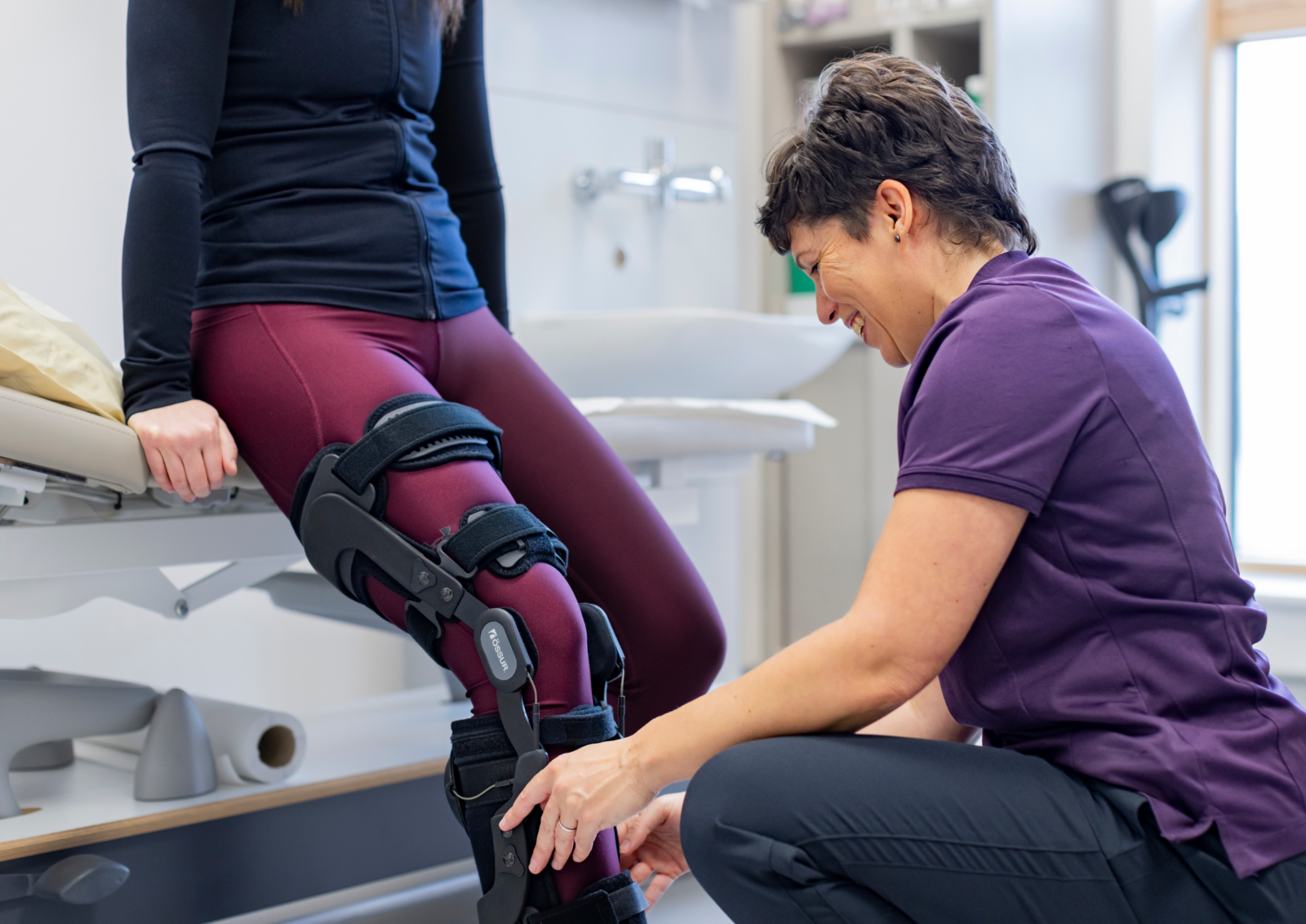
If you need a knee brace that is suitable for skiing and snowboarding with, we are also able to help you with this, as a preferred fitting clinic for Ossur knee braces, including the custom CTi. These can be worn to help protect against knee ligament injuries, following surgery or previous ligament injuries.” |
Start Your Season Strong with Expert Support
Your snow season should be about adventure, not recovery. By investing time in pre-season preparation, you can protect your body and stay injury free.
Book your personalised pre-season physiotherapy assessment today without the need for a GP referral and take the first step toward effective snow sports injury prevention before hitting the slopes, making this snow season your strongest yet.
Medically reviewed by Ms Amanda Marsh - Advanced Practice Physiotherapist