

Mohs Surgery for Skin Cancer
Also known as: Mohs micrographic surgery
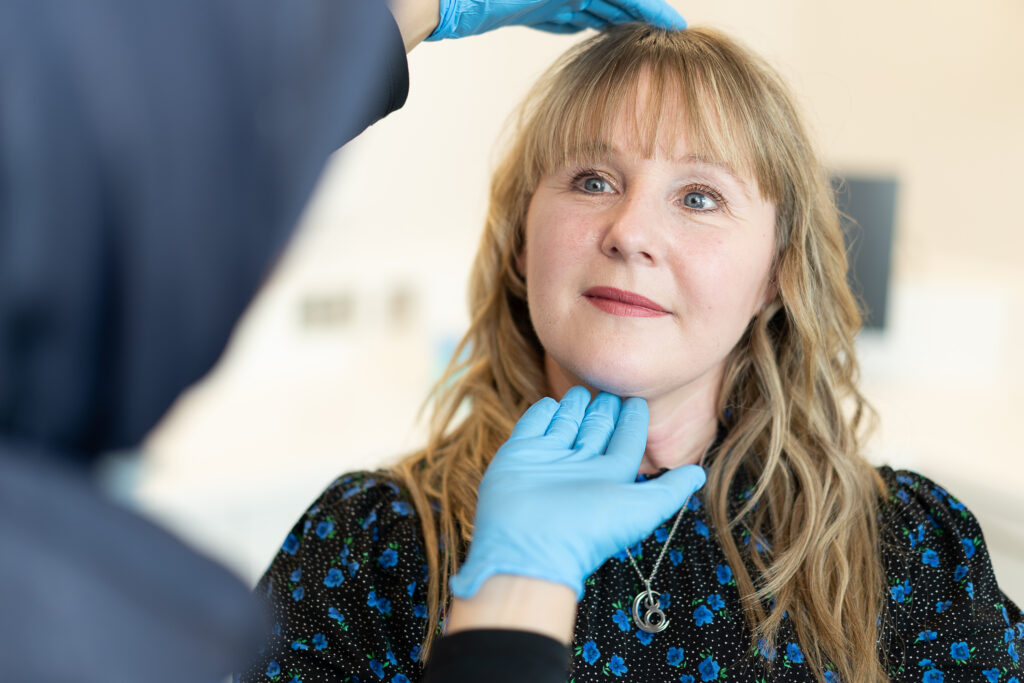
Mohs surgery is a precise skin cancer treatment that removes cancer layer by layer, delivering the highest cure rates while preserving as much healthy tissue as possible.
What is skin cancer?
Skin cancer is one of the most common cancers worldwide. It can affect people of all ages and skin types, although the risk is higher for individuals with factors such as sun exposure, fair skin, or a family history.
Among the various types of skin cancer that healthcare professionals diagnose, basal cell carcinoma and squamous cell carcinoma are the most frequently encountered forms you’re likely to face. When you’re dealing with these types of skin cancers, Mohs micrographic surgery has emerged as a leading treatment option, particularly when complete removal of all cancerous tissue is essential for your recovery and long-term health.
What is Mohs micrographic surgery?
Mohs surgery is a highly specialised technique used to treat certain types of skin cancer, most commonly basal cell carcinoma and squamous cell carcinoma. The procedure is named after its founder, Dr Frederic Mohs.
The surgery works by removing the skin cancer layer by layer. After each layer is removed, it is processed and examined under a microscope in an on-site laboratory. If cancer cells are still present at the edges, the surgeon removes more tissue from the affected area. This process continues until no cancer cells remain, ensuring that all of the cancer is removed while preserving as much healthy skin as possible.
Due to this precision, Mohs surgery has one of the highest cure rates of any skin cancer treatment. It is beneficial for cancers in sensitive areas such as the face, ears, hands, and genitals, where preserving normal tissue is essential for both appearance and function.
Advantages of Mohs Surgery
- Very high cure rates.
- Maximum preservation of healthy tissue.
- Smaller scars and less impact on appearance.
- Effective for skin cancers in sensitive or high-risk areas.
Alternatives to Mohs Surgery
Mohs surgery is not the only treatment for skin cancer. Depending on the type, size, and location of your tumour, as well as your overall health, other options may include:
- Excisional surgery – removing the tumour with a margin of surrounding skin
- Topical creams (e.g. imiquimod or 5-fluorouracil) – for selected superficial basal cell carcinomas or precancerous lesions such as actinic keratoses
- Photodynamic therapy (PDT) – using light-activated medication to destroy cancer cells
- Radiotherapy – precisely targeted radiation, often used when surgery is not suitable or to reduce the risk of recurrence after surgery
The best treatment depends on factors such as the type of cancer, its location, your medical history, and your cosmetic priorities. Your dermatologist or surgeon will discuss the risks, benefits, and likely outcomes of each option to help you choose the most appropriate treatment.
Skin cancer risk factors
Understanding the risk factors for skin cancer is crucial for prevention and early detection. Basal cell carcinoma and squamous cell carcinoma represent the most common types of skin cancer, but all forms can cause serious problems if not treated promptly.
Key risk factors include excessive sun exposure, fair skin complexion, a family history of skin cancer, and a personal history of previous skin cancers.
Protecting your skin with simple, consistent habits, such as wearing a broad-spectrum sunscreen with an SPF of 30 or higher, re-applied every two hours during sun exposure, seeking shade during peak hours, and wearing protective clothing, can significantly reduce your risk and provide substantial protection against harmful UV radiation.
Regular self-examinations and periodic full-skin checks by a qualified clinician are essential for early detection of skin cancer, as early intervention can significantly impact treatment outcomes and long-term prognosis.
If you notice any new, changing or unusual marks on your skin, it’s crucial to consult a dermatologist promptly for a proper evaluation and guidance on appropriate skin cancer treatment options.
Please call to enquire about the price
Ways to payBefore surgery
Before Mohs surgery, you’ll have an initial consultation with your dermatologist. At this visit, they will review your medical history, examine the site of your diagnosed skin cancer, explain how the procedure works, and discuss possible risks and aftercare. This is a good opportunity to ask any questions and ensure you feel comfortable with the plan.
In the days leading up to surgery, you may be advised to stop certain medications or supplements that can increase bleeding risk – always do this only under your doctor’s guidance. Be sure to provide your medical team with a complete list of all medications you take, any known allergies, and details of any implanted devices, such as pacemakers, as these can impact planning and anaesthesia decisions.
On the day of surgery, most patients are advised to eat a standard breakfast and take their usual medications unless told otherwise. Wear loose, comfortable clothing that allows easy access to the treatment area. Because the procedure can take several hours, depending on the number of stages required, it’s helpful to bring snacks, drinks, and something to read while you wait.
During surgery
Mohs surgery is carried out under local anaesthetic, which numbs the area so you remain comfortable throughout. The surgeon first removes the visible tumour along with a very narrow margin of surrounding skin. The surgery works by removing the skin cancer layer by layer. After each layer is removed, it is processed and examined under a microscope in an on-site laboratory.
If cancer cells are found at the edges, the surgeon removes more tissue only from the precise area where the cancer remains. This process is repeated in stages until no cancer cells are seen. Working in this step-by-step way ensures that all of the tumour is removed while preserving as much healthy skin as possible.
The entire procedure typically takes place in a single day, but you should be prepared for some waiting time between stages while the tissue is being processed and examined.
After surgery
Immediate aftercare
Proper wound care and wound repair are essential after Mohs surgery to ensure optimal healing and minimise scarring.
Sometimes the wound is left to heal naturally, while in other cases stitches, skin grafts, or flaps are used. The choice of wound repair technique is tailored to the individual patient’s needs and the specific characteristics of the surgical site.
You should keep the surgical area clean and dry as instructed by your dermatologist. Avoiding strenuous activities and protecting the area from sun exposure can also support optimal wound healing. Additionally, smoking cessation is strongly recommended, as smoking can impair wound healing and increase the risk of complications.
Follow-up care
Regular follow-up visits enable the dermatologist to detect any signs of local recurrence early and provide timely intervention if needed. Most recurrences occur within the first two to three years, so regular skin surveillance during this period is especially important.
The surgeon examines not only the surgical site but also the surrounding skin for any new or suspicious lesions. Patients are encouraged to perform regular self-examinations and report any changes in their skin to their primary care provider or dermatologist.
In some cases, additional treatment or more surgery may be necessary if cancerous cells are found during follow-up. Maintaining open communication with your healthcare team and adhering to recommended follow-up schedules are critical components of successful long-term skin cancer management.
Potential risks & complications
The Mohs procedure can cause temporary or permanent numbness and weakness in the area surrounding the surgical site.
The risk of nerve injury is minimised by using careful surgical techniques and preserving as much healthy tissue as possible. In rare cases, permanent weakness can occur if a nearby nerve is affected, though this is uncommon.
Other possible risks include bleeding, infection, scarring, delayed wound healing, and recurrence if microscopic tumour extensions are missed.
Appointment and Treatment Plan
Preparing for Your Procedure
Your dermatologist reviews your medical history, examines the cancer site, and explains the full Mohs process, including risks and aftercare. You may be advised to pause certain medications that affect bleeding (only under medical guidance). On the day, you can eat normally, take usual medications unless told otherwise, and wear comfortable clothing. Because the surgery can take several hours, bringing snacks, drinks, or something to read is recommended.
Precise Layer-by-Layer Removal
Mohs surgery is performed under local anaesthetic to keep you comfortable. The surgeon removes the visible tumour with a narrow margin, then examines the tissue under a microscope in an on-site lab. If cancer remains at the edges, additional tissue is removed only from the exact area affected. This cycle repeats until all cancer cells are cleared, maximising cure rates while preserving healthy skin. Expect waiting periods between stages while your tissue is processed.
Healing & Reconstruction
After the cancer is fully removed, your dermatologist selects the best wound-repair method for your needs—natural healing, stitches, flaps, or grafts. You’ll receive detailed instructions on caring for the area, keeping it clean and protected, and avoiding strenuous activity. Sun protection and avoiding smoking support optimal healing and minimise scarring.
Long-Term Skin Surveillance
Regular follow-up visits help detect recurrence early, especially within the first 2–3 years. Your dermatologist will examine the surgical site and surrounding skin for any new or suspicious lesions. You’ll also be encouraged to carry out self-checks and report changes promptly. In rare cases, further treatment may be required if new cancerous cells appear.
Understanding Possible Risks
While Mohs surgery is highly precise, temporary numbness, mild weakness, scarring, or delayed healing can occur; permanent nerve effects are uncommon. Other risks include bleeding, infection, and rare recurrence. Your dermatologist will guide you through every step to minimise complications.
Experts
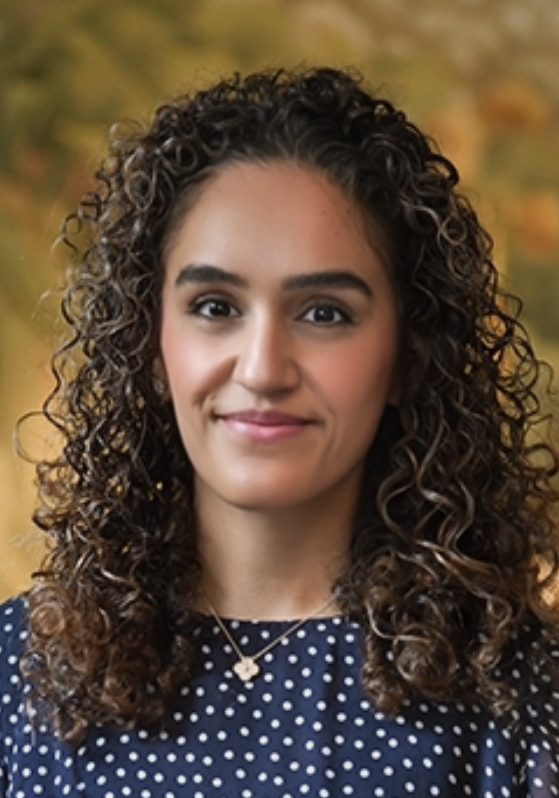
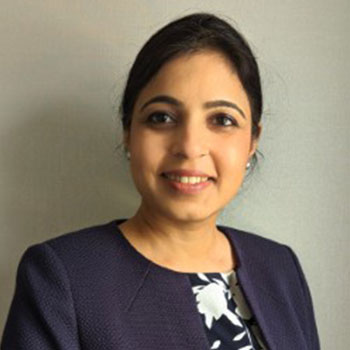
We are proud to provide patients with access to a wide range of clinicians, chosen specifically for their knowledge and reputation in their area of expertise. Our experts align with our values: putting you at the centre of your care and educating you on your options at each step of the journey. We encourage you to learn more about our clinicians and how they can help you below. As always, please contact our patient services team if you require any additional information.




We offer 3 ways to pay for your treatment
We exist to take the stress out of private healthcare.
Our payment options are designed to offer you easy access to our treatments and services. You can choose to pay on the day, spread the cost, or use your private medical insurance.
Our patient services team will guide you through the process, providing clear costs and support throughout your course of treatment so you can focus on the thing that matters most – your health.
Whether you pay in advance, spread the cost, or use your private medical insurance, rest assured you will be receiving exceptional care 365 days a year.
Pay in Advance
Even if you do not have medical insurance, you can still get quick and comprehensive access to private medical care.
We provide transparent pricing from your initial consultation to the completion of your treatment so you know where you stand, every step of the way.
We accept all major debit and credit cards, as well as Apple Pay for UK residents. Please note that we do not accept cash or cheques.
Spread the cost monthly
Paying for your treatment at One Stop Healthcare can be spread monthly from 12 to 60 months, rather than paying in one go.
With an upfront 10% deposit paid, via our Financial partner Chrysalis Finance, we offer various flexible terms to enable you to spread the cost, including 12-months at 0% APR. Click here to find out more.
Monthly payments need to be linked to a One Stop Healthcare treatment over £385 and is subject to a 14-day ‘cooling-off’ period before any treatment can start.
Your on-going payments will be made directly between Chrysalis and yourself. It’s that simple.
Pay using PMI
We are recognised by all major health insurance companies and with our extensive range of services, there are lots of benefits to using your insurance with us. Our patient services team is here to answer any questions you may have about using your private health insurance with us.
Please bring along your policy details including your scheme details, membership or policy number, expiry date and confirmation of eligibility to claim (i.e. your authorisation number). If you do not have these details with you, we will require payment from you on the day. Patients are liable for any amounts not settled by their insurer.
FAQs
Many patients find that Mohs surgery is minimally painful due to the use of local anaesthesia, which effectively numbs the surgical area. The local anaesthetic is administered at the beginning of the procedure to ensure your comfort throughout. While you might feel some pressure or mild discomfort during tissue removal, significant pain is uncommon. After the procedure, as the anaesthesia wears off, some tenderness, swelling, or bruising may occur around the surgical site. This discomfort is typically manageable with over-the-counter pain relievers such as paracetamol. Your dermatologist will provide detailed guidance on pain management and wound care to help promote healing and minimise discomfort.
Mohs surgery is primarily used to treat basal cell carcinoma and squamous cell carcinoma, the two most common types of skin cancer. It is especially recommended for cancers located in areas where preserving healthy tissue is critical, such as the face, ears, hands, and genitals. Mohs surgery is also suitable for skin cancers that have recurred after previous treatment or those with indistinct or aggressive borders. In some cases, it is used to treat less common skin cancers, including sebaceous carcinoma and extramammary Paget disease. The procedure’s precision in removing all cancerous cells while sparing healthy tissue makes it the preferred choice for high-risk or complex skin cancers.
Mohs surgery is a highly effective and generally safe procedure with a high cure rate for skin cancer. However, as with any surgery, there are risks involved, including potential bleeding, infection, scarring, and nerve damage. Temporary or permanent numbness or weakness can occur if nerves near the surgical site are affected, although such complications are uncommon. The complexity of the procedure depends on factors such as tumour size, location, and your overall health. Your surgeon will discuss your individual risks with you before the procedure.
Recovery time after Mohs surgery varies depending on the size and location of the surgical site, as well as the type of wound repair performed. Minor wounds left to heal naturally may take several weeks to close, while wounds repaired with stitches, skin grafts, or flaps may require additional healing time. Most patients can resume normal daily activities within a few days, although strenuous exercise and activities that could impact the wound site should be avoided for at least two weeks. Proper wound care, including keeping the area clean and protected, is essential for optimal healing. Your surgeon will provide specific instructions on caring for your wound and scheduling follow-up visits to monitor your recovery.
The key difference between Mohs surgery and regular skin cancer surgery lies in the precision and thoroughness of cancer removal. In regular excisional surgery, the surgeon removes the tumour with a predetermined margin of healthy tissue, and only a small portion of the margins is examined in a pathology lab later. In contrast, Mohs surgery involves the surgeon removing the tumour layer by layer and analysing 100% of the tissue margins microscopically during the procedure itself. This allows for the immediate identification and removal of any remaining cancer cells, resulting in complete tumour removal with minimal loss of healthy tissue. Mohs surgery typically offers higher cure rates, smaller scars, and better preservation of function and appearance, especially for skin cancers in cosmetically and functionally sensitive areas.